SOPs That Actually Get Followed — Not Just Filed

Clear, practical procedures built for how work is really done — reinforced with visuals, video, and language employees understand.

Why SOPs Fail on the Floor

  • Most employees don’t read SOPs.

  • Many can’t fully understand them.

  • Some don’t speak English as a first language.

  • And almost none connect paperwork to real-world hazards.

SOPs don’t fail because employees don’t care — they fail because they’re written for files, not people.

How We Build SOPs That Stick

Written procedures reinforced with video, visuals, and language employees understand.
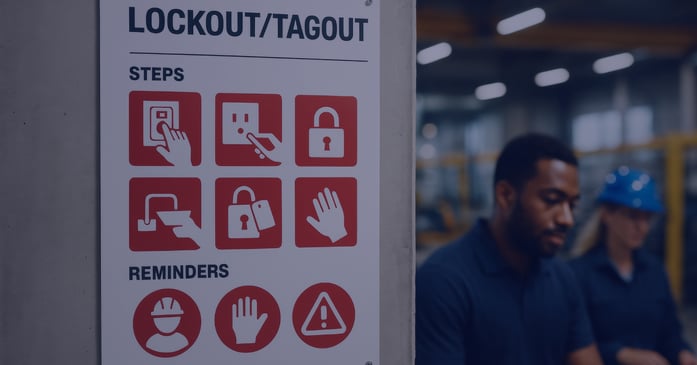
WRITTEN SOP

Written SOPs Built From Real Work

We build SOPs around how tasks are actually performed — not how they’re imagined in a binder. Each procedure is task-based, hazard-aware, and written at the employee level so expectations are clear and usable on the floor.

Video SOPs Employees Will Actually Watch

Most employees won’t read an SOP — but they will watch a short video. We convert critical procedures into clear, task-specific videos in English and Spanish so employees see exactly what “right” looks like.

 

QR Codes That Meet Workers Where They Are

SOPs shouldn’t live on a shared drive no one opens. We embed QR codes directly into procedures so employees can scan, watch, and perform the task correctly — on demand, right where the work happens.

SOPs Are the Bridge Between Risk and Training

OPs are where risk controls stop being ideas and start becoming behavior.

Once hazards are identified and controls are selected, SOPs translate those controls into clear, repeatable actions employees can actually follow. Without this step, even the best risk assessment stays theoretical.

This is also where training gets its direction.

  • If a task is hazardous, it must be documented.
  • If it’s documented, it must be trained.
  • If it’s trained, it must be verified.

That’s why SOPs sit at the center of the system—connecting audits, training, and accountability into one operational flow instead of disconnected paperwork.

Our SOPs aren’t written to satisfy a binder requirement.

They’re written to be used, trained, and checked—every day, on the floor, where the work actually happens.

No SOP stands alone. Each one feeds training, reinforcement, and verification.

How SOPs Connect to Training and Accountability

SOPs don’t live in isolation. They drive training, reinforce expectations, and create accountability without micromanagement.

SOPs Define What “Right” Looks Like

Written procedures establish clear expectations for how work is performed. When tasks, hazards, and controls are documented at the employee level, there’s no ambiguity about what safe and acceptable work actually means.

SOPs become the reference point for both employees and supervisors—before something goes wrong.

Training Reinforces the Procedure

Once an SOP exists, it becomes trainable.

We use SOPs to guide classroom discussion, hands-on instruction, and performance-based evaluation. When video is used, the procedure becomes even clearer—especially for bilingual or low-literacy workforces.

Training stops being generic and starts matching how work is actually done.

Accountability Without Guesswork

When expectations are clear, accountability becomes fair.

Supervisors can verify performance against documented procedures instead of relying on memory, opinion, or inconsistent enforcement. Deviations are identified early—before they turn into incidents.

This is how organizations prevent drift and maintain standards without turning safety into punishment.

Let’s Build SOPs Your People Will Actually Use

Policies and procedures don’t reduce risk on their own.

They work when they reflect real tasks, real hazards, and real people.

We’ll work with your team to build SOPs that match how work is actually done—then connect them to training and verification so they stay effective over time.

No templates.

No binders that collect dust.

Just systems that work on the floor.
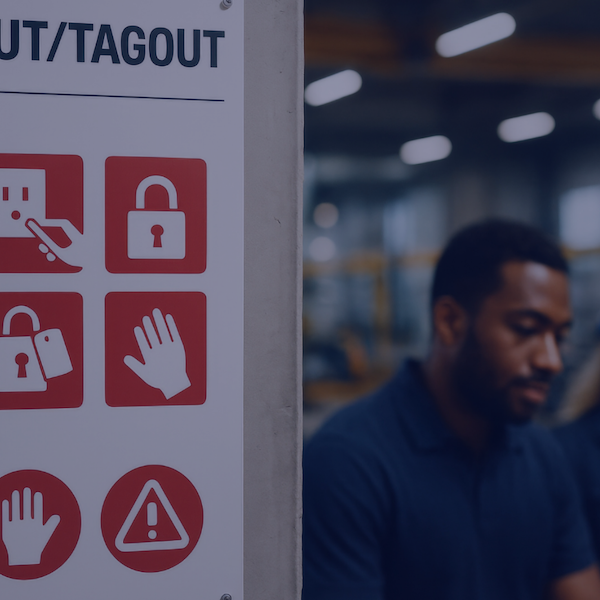
Employee reviewing lockout/tagout safety procedures on the shop floor