From compliance gaps to confusing processes, we help companies take control of safety and HR with clear systems, bilingual training, and real-world expertise.
Most companies don’t have a training problem — they have a systems problem.
Policies that no one follows. Training that isn’t consistent. Documentation that disappears when you need it most. That’s where risk hides — and where EGIS steps in.
EGIS helps you close the real gaps:
unclear or outdated policies
inconsistent or ineffective training
missing or scattered documentation
poor onboarding that creates long-term risk
culture drift that leads to “the way we’ve always done it”
operational risk exposure hiding in everyday tasks
We turn HR and safety into a simple, structured, repeatable system your team can actually use — and trust.
Compliance is the floor — not the goal. The real work is helping your people climb higher, together.
You can be 100% compliant and still end up blindsided by lawsuits, injuries, culture drift, or operational chaos. That’s because compliance doesn’t fix broken systems — leadership and clarity do. EGIS helps organizations build processes that people actually follow, understand, and believe in.
EGIS focuses on:
reducing organizational and operational risk
improving clarity and accountability at every level
giving workers the tools they need to do their job safely
establishing standards that actually get followed
building scalable systems that remove chaos
strengthening leadership alignment and communication
creating a culture where safety and HR support performance, not police it
When your people know the way, trust the process, and feel supported — they stop resisting change and start climbing with you.
We don’t start with templates. We evaluate your operations, exposure points, and failure modes to understand where risk actually lives — not just where regulations say it might.
Policies, procedures, and training are designed to match real work conditions, real decisions, and real people — so they’re usable, enforceable, and defensible.
We reinforce expectations through targeted training, documentation, and accountability so standards don’t drift and compliance doesn’t fade after rollout.
Emergency Action Plans and Egress Mapping
We design clear, site-specific emergency action plans and evacuation maps that employees can actually understand and follow under stress.
Our approach goes beyond templates—each plan is built around real layouts, real hazards, and real decision points so people know exactly what to do when seconds matter.
Risk & Safety Audits That Expose the Real Gaps
We conduct structured, on-site and document-based audits that go beyond surface-level compliance to identify real operational, safety, and HR risks.
Our audits focus on how work actually gets done—policies, training, supervision, and decision-making—so leaders understand where breakdowns occur and what needs to change before incidents, claims, or lawsuits happen.
AVIRT – Active Violence Immediate Response Training
AVIRT training prepares employees to recognize warning signs, respond decisively, and protect themselves and others during active violence incidents.
This training focuses on practical decision-making under stress—situational awareness, movement, communication, and coordination—so people know how to respond when seconds matter, not just what a policy says.
Safety Procedures & SOPs Built Around Real Risk
We develop clear, role-specific safety procedures and SOPs based on actual hazards, tasks, and operational realities—not generic templates.
Each procedure is built from observed work, identified risk, and human behavior so employees understand not just what to do, but why it matters—and leadership can enforce standards that actually hold up.
HR Employee Manuals & Codes of Conduct That Set Clear Standards
We develop employee manuals and codes of conduct that clearly define expectations, responsibilities, and acceptable behavior across the organization.
These documents are written to be understood, enforced, and defended—reducing ambiguity, strengthening accountability, and helping organizations avoid preventable HR issues before they turn into legal or operational problems.
Train-the-Trainer Programs for Safer Operations
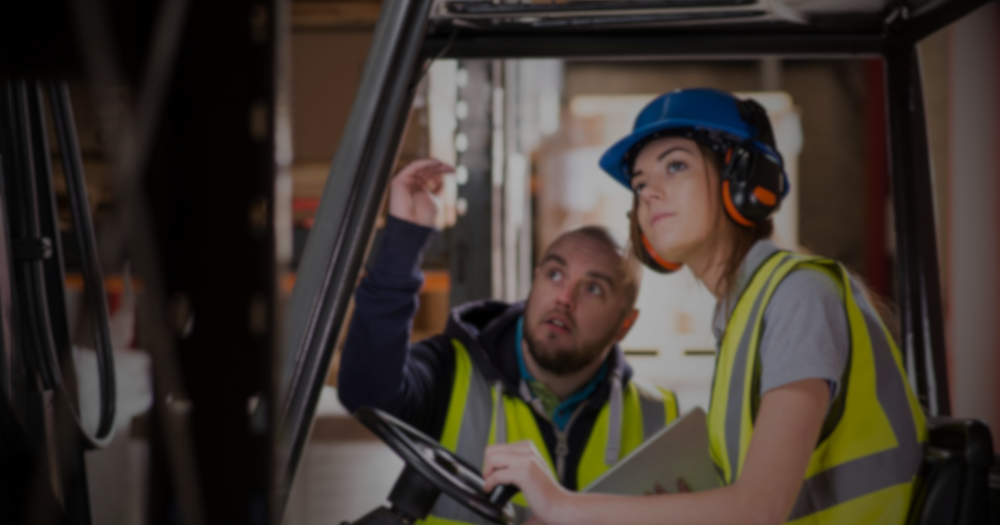
We help organizations develop qualified internal trainers to safely instruct equipment and task-specific operations such as forklifts, aerial lifts, scissor lifts, boom lifts, and cranes.
Our Train-the-Trainer programs focus on evaluation, consistency, and accountability—ensuring your experienced operators can teach, assess, and document training correctly without increasing risk.
Training & Development That Actually Changes Behavior
We design and deliver training programs across safety, HR, leadership, investigations, and operational awareness—tailored to how adults actually learn on the job.
Our training goes beyond check-the-box requirements, combining classroom instruction, hands-on evaluation, and real-world scenarios to build competence, confidence, and consistency in the field.
Drone Photography & Site Documentation
We provide professional drone photography and video to document sites, operations, and conditions that are difficult, unsafe, or time-consuming to access on foot.
Our drone work is integrated into safety planning, audits, and investigations—supporting clearer assessments, stronger documentation, and better decision-making without exposing personnel to unnecessary risk.
Denisse Atkinson
Product Designer, GoogleProcess Development & Mapping
We analyze how work actually flows across roles, departments, and tasks to identify breakdowns, inefficiencies, and hidden risk points within your organization.
Our process mapping turns informal habits into clear, repeatable workflows—reducing confusion, improving handoffs, and giving leadership visibility into where controls, training, or accountability need to be strengthened.
Expert Witness & Professional Consultation
We provide expert witness services and professional consultation related to safety, HR practices, training, and workplace operations.
Our opinions are grounded in real-world experience, documented systems, and recognized standards—helping attorneys, insurers, and organizations understand what went wrong, why it mattered, and how it could have been prevented.