We deliver practical safety, equipment, and HR training that sticks — in English and Spanish.
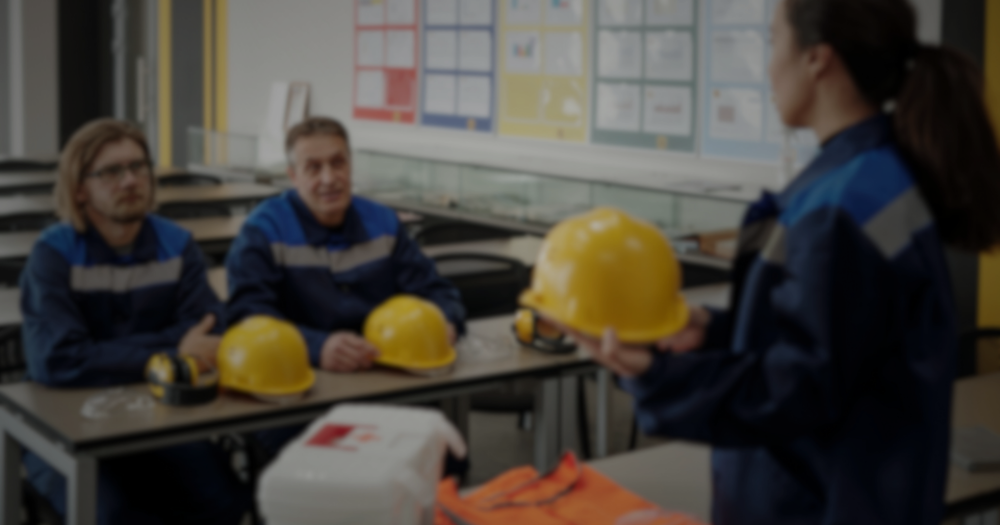
Most companies do not need more generic safety lectures. They need training that connects directly to the work their employees perform every day. EGIS Solutions delivers practical, engaging safety and equipment training built around real hazards, real equipment, and real job site conditions.
Our classes are designed for DFW employers who need training completed correctly, documented properly, and delivered in a way employees can retain. We support warehouse, manufacturing, distribution, logistics, and general industry teams with English and Spanish training options.
What Your Team Receives






From hands-on equipment evaluations to classroom compliance courses, we deliver practical safety training your team understands, applies, and retains.
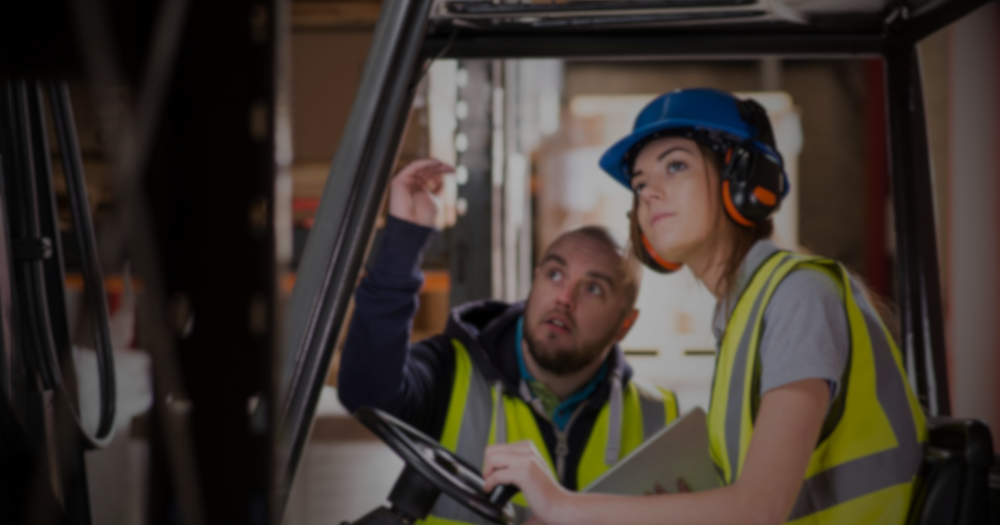
Hands-On Equipment Training (OSHA-Required Evaluations)
For operators who need documented, performance-based training and evaluation.
We provide classroom instruction followed by hands-on observation and competency verification.
Most requested courses:
Forklift / Powered Industrial Trucks
Scissor Lifts / Man Lifts
Boom Lifts
Cranes & Hoists
Training includes live equipment evaluation, hazard recognition, and documented operator verification.
Ideal for companies that need to meet OSHA evaluation requirements and ensure operators can safely perform the job.
Classroom & Compliance Safety Training
For teams that need structured safety instruction without hands-on equipment operation.
Delivered in an engaging, discussion-based format — not a lecture.
Popular topics include:
Lockout/Tagout (Authorized & Affected)
NFPA 70E (Awareness & Full Course)
Confined Space (Overview & Permit Required)
Fall Protection
Hazard Communication (GHS)
Sessions range from 30-minute awareness training to full-day compliance courses.
Designed to reinforce expectations, reduce risk, and improve real-world decision-making.